What is a value proposition?
A value proposition is the promise that tells shoppers why to buy from you: who it is for, what they get and why your store is the place to get it. For a candle shop, it might read "Soy candles that burn 60 hours, poured the week you order."
What goes into a value proposition?
Three parts: the shopper you serve, the result they get and a fact that sets you apart. Name the result, not the feature. A waterproof zip is a feature, and a dry laptop in the rain is the result. A customer value proposition is everything the shopper gets in return for the price. The value proposition canvas, a planning worksheet, maps a customer's jobs, pains and gains.
Value proposition examples for a store
Say three stores start with a line any store could print.
| Store | Vague | Specific |
|---|---|---|
| Plant shop | Beautiful plants, delivered | Pet-safe houseplants, shipped in 2 days with a care card |
| Dog treats | Healthy treats dogs love | One-ingredient treats for dogs with sensitive stomachs |
| Phone cases | Premium phone cases | Cases that survive a 10-foot drop, or we replace them free |
Each specific line names a shopper or a result, plus a fact you can stand behind.
Unique value proposition vs unique selling proposition
A unique value proposition is the whole promise, worded so only your store can make it. Your unique selling proposition, or USP, is the one thing nobody else offers, such as the phone case store's free replacement, if no other case shop promises one. Taglines are shorter, made to be remembered.
Where does your value proposition go in Shopify?
Put it at the top of your homepage, in the theme editor. Under Online Store, then Preferences, "Home page title" is your homepage's title in search results, up to 70 characters, with the meta description below it. Under Settings, then General, then Brand, "Slogan" holds your tagline, up to 80 characters. "Short description" takes up to 150, and Shopify's help says your store's bios and listings often use it.
How do you test a value proposition?
Show two wordings to similar shoppers and keep the winner. On Shopify's Grow plan and up, you can test a new homepage headline as an Experiment, under Markets, then Rollouts. It compares rates such as conversion and add to cart. A Sledge promo banner can test a shorter promise on collection pages, in search or the cart drawer. "Create A/B", the button that starts the test, gives the banner a second version with its own headline. Sledge counts visitors, clicks and click rate for each.
Test two promises in a banner, with Sledge
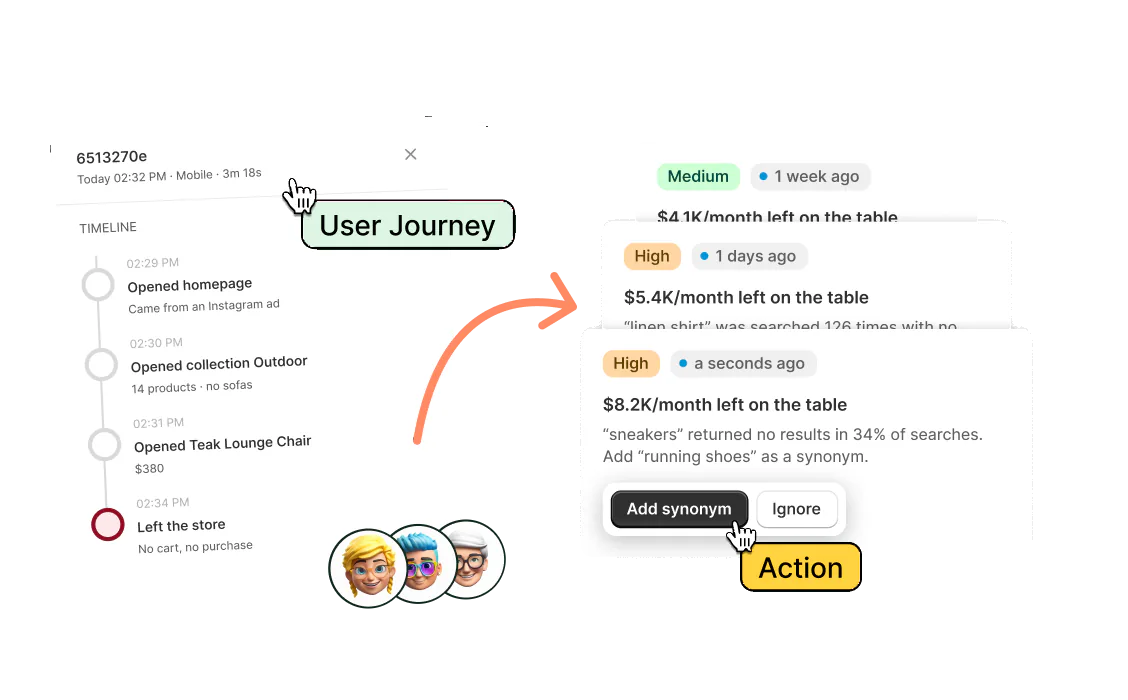
Sledge does not change your homepage headline or edit your theme. Its promo banners can test two wordings of one promise. Growth Intelligence turns on when you pick a paid plan. It suggests fixes and adds up the sales they could bring as one total in your store's currency, labeled "Est. potential".