What is prestige pricing?
Prestige pricing, also called image pricing or premium pricing, means charging a high price on purpose so the price itself tells shoppers a product is top quality. It holds only while the product, the brand and the price all agree.
How does prestige pricing work?
Prestige pricing starts from the price that feels top tier, then makes the product earn it. Cost-plus pricing goes the other way: it adds a markup to your cost. Shopify's blog says people often judge a product's value by its price.
Say a ceramic set costs $35 to make. At $70 it leaves $35, a 50% gross margin. At $140 it leaves $105, or 75%, so $210 in profit takes 2 sales instead of 6 at $70, if shoppers still buy at $140.
What are examples of prestige pricing?
AccountingTools lists watches, perfume and luxury cars, and Shopify's blog adds designer handbags and limited-edition sneakers. Number each ceramic set, make only 200 and price it at $140, never discounted. Beside a plain mug at $18, the set's price can become part of what shoppers buy.
Prestige pricing vs premium pricing
Some guides treat the two as one strategy. Shopify's premium pricing guide calls premium the wider idea. It lists six reasons to charge more and files prestige pricing under luxury and limited editions.
When does prestige pricing backfire?
Prestige pricing backfires when shoppers think the quality does not match the price, which Shopify's blog warns can hurt your reputation.
A weekend sale at 30% off drops the $140 set to $98 and can tell last week's buyers they overpaid. Yet in a 2022 lab study of affordable luxury, imagined buyers showed more intent to buy a high-priced handbag on sale than at full price, so test a sale before ruling one out.
How do you use prestige pricing on Shopify?
In your Shopify admin, open the product and leave "Compare-at price", the crossed-out "was" price, empty. Shopify's help center says a discount code or automatic discount always shows a crossed-out price at checkout, so keep both off that product. To learn whether a higher price still sells, run a price test and judge it on profit, not conversion.
A premium catalog, with Sledge
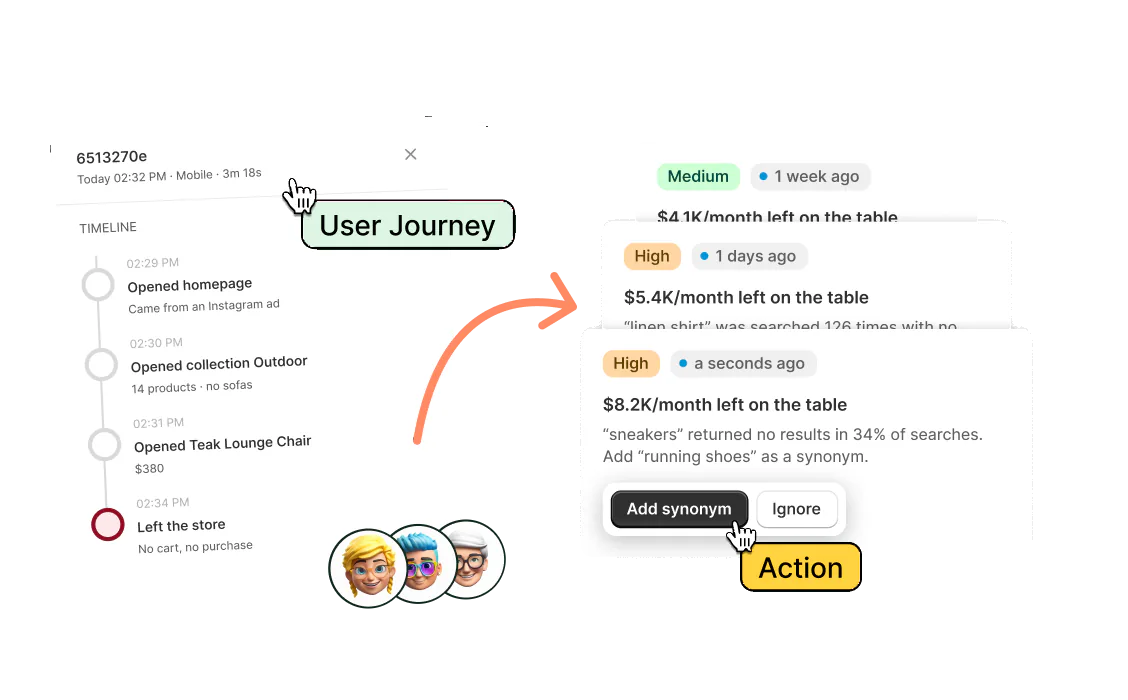
Sledge does not set, test or change your listed prices. On the collection and search pages Sledge shows, shoppers can sort by "Price: High to Low" or "Price: Low to High". The "Sort options list" under Global Settings, Product List decides which sorts they see. On any paid plan, Growth Intelligence adds up the fixes it suggests into one dollar figure, labeled "Est. potential", and compares your sales before and after you set up a fix.