What is price skimming?
Price skimming, also called skim pricing, is a pricing strategy where you launch a new product at a high price, sell to the buyers who want it most, then lower the price in steps to reach buyers who wait. Say a limited sneaker colorway launches at $180, drops to $150, then to $120.
Price skimming examples
Say you make 300 pairs of that colorway.
| Step | Price | Pairs sold | Sales |
|---|---|---|---|
| Launch, weeks 1 to 3 | $180 | 90 | $16,200 |
| Weeks 4 to 7 | $150 | 120 | $18,000 |
| Week 8 on | $120 | 90 | $10,800 |
| Total | 300 | $45,000 |
Sell all 300 at $120 from day one and you take $36,000. The steps add $9,000, but only if early buyers pay more to go first. Shopify's price skimming guide gives two examples: the newest phones and new sneaker styles.
How do you run price skimming on Shopify?
Set the launch price in the product's Price box, then lower it in steps. Selling before stock lands? Take pre-orders at the launch price. The "Products by sell-through rate" report, under Analytics then Reports, counts units sold in the dates you pick, so you see when sales at one price slow down.
Bulk edit changes the price on several products at once. To show $180 crossed out beside $150, enter $180 in "Compare-at price", the box for the old price. Do it only if you charged $180 first. Never announce the next step, or shoppers wait for it.
Price skimming vs penetration pricing
Penetration pricing is the opposite: launch low to win buyers fast, then raise the price as demand grows, as Shopify's penetration pricing guide puts it.
| Price skimming | Penetration pricing | |
|---|---|---|
| Launch price | High | Low |
| Then | Steps down | Rises |
| Buys first | Shoppers who want it most | Shoppers who want it cheap |
| Suits | New, limited or hard-to-copy products | Crowded markets |
| Risk | Shoppers wait for the drop | Thin margins and a cheap image |
In a 2015 Marketing Science study of 663 digital cameras, 60% launched at the going market price. One in five launched above it, and one in five below.
Pros and cons of price skimming
Price skimming works while demand holds up at a high price, which Shopify's guide calls an inelastic demand curve. The same guide lists these pros and cons.
- Pros: more from each early sale, development costs paid back sooner and a premium image.
- Cons: first buyers who feel overcharged after a drop, repeat buyers who learn to wait, and cheaper lookalikes drawn in by the high price.
Take pre-orders at your launch price, then flag each price drop
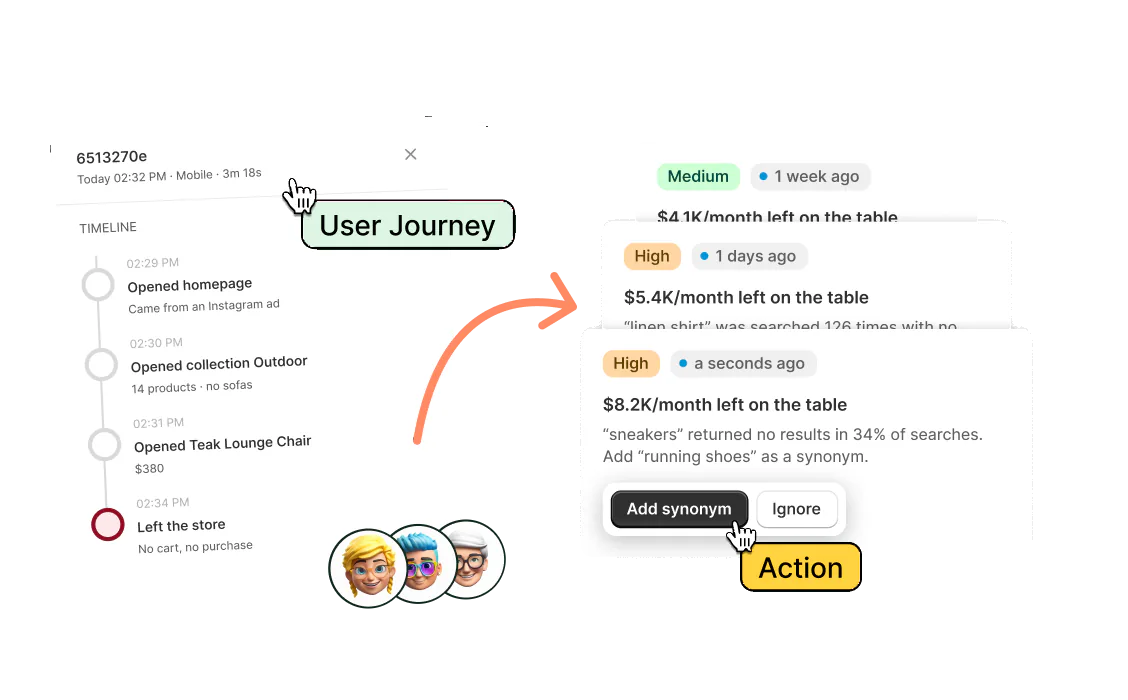
Sledge does not set, schedule or change your prices. Before stock lands, Sledge Pre-order takes orders at your full launch price when you leave its discount at the default 0%. It needs Shopify Payments or PayPal Express. After you lower the price, a promo banner on the collection and search pages Sledge runs can flag the drop, on the dates you set. Growth Intelligence turns on when you pick a paid plan. It suggests fixes, then sums the sales they could add into a single figure, labeled "Est. potential", in your store's currency.