What is MAP pricing (minimum advertised price)?
MAP pricing, short for minimum advertised price, is the lowest price a brand lets you show for its product in ads, on product pages and in listings. It limits the price you show, not always the price you charge. Say a lamp's MAP is $180: you can't list it at $159.
MAP vs MSRP: what's the difference?
An MSRP is the price a brand suggests you charge. A MAP is a floor under the price you show, set by the brand's policy. The lamp carries a $200 MSRP and a $180 MAP, so you list it at $180 or more.
What does a MAP pricing policy cover?
A MAP policy usually covers every price shown before the cart: ads, product pages, marketplace listings. Each brand writes its own, so read each one. Shopify's sample MAP policy lets you sell below MAP in the cart. It bans strikethroughs and coupon codes that reveal a lower price, and grants written waivers, such as for Black Friday.
Where does MAP apply in your Shopify store?
Each product's Price shows on product and collection pages, and in Google ads through the Google & YouTube channel. Keep it at or above MAP. A "Compare-at price" sale doesn't get around this: your theme crosses out the old price, but the lower Price still shows. A discount, automatic or by code, can come off in the cart or checkout, if the policy allows. Shopify's help says crossing out those savings on product pages takes an app or custom work.
Is MAP pricing legal, and what if you break it?
The FTC's guide says the law gives a brand "considerable leeway" over ads it helps pay for. It also cites MAP rules the FTC found unreasonable: they banned discounted prices even in ads the store paid for. A brand that finds a lower price, by hand or with price-tracking software, can warn you or stop supplying you.
How do you set MAP pricing as the brand?
In the US, set the MAP yourself and apply it to every shop alike, as Shopify's guide advises. Publish it beside each wholesale price and MSRP. A shop paying $100 for the lamp keeps $80 at the $180 floor.
Let shoppers filter by brand, with Sledge
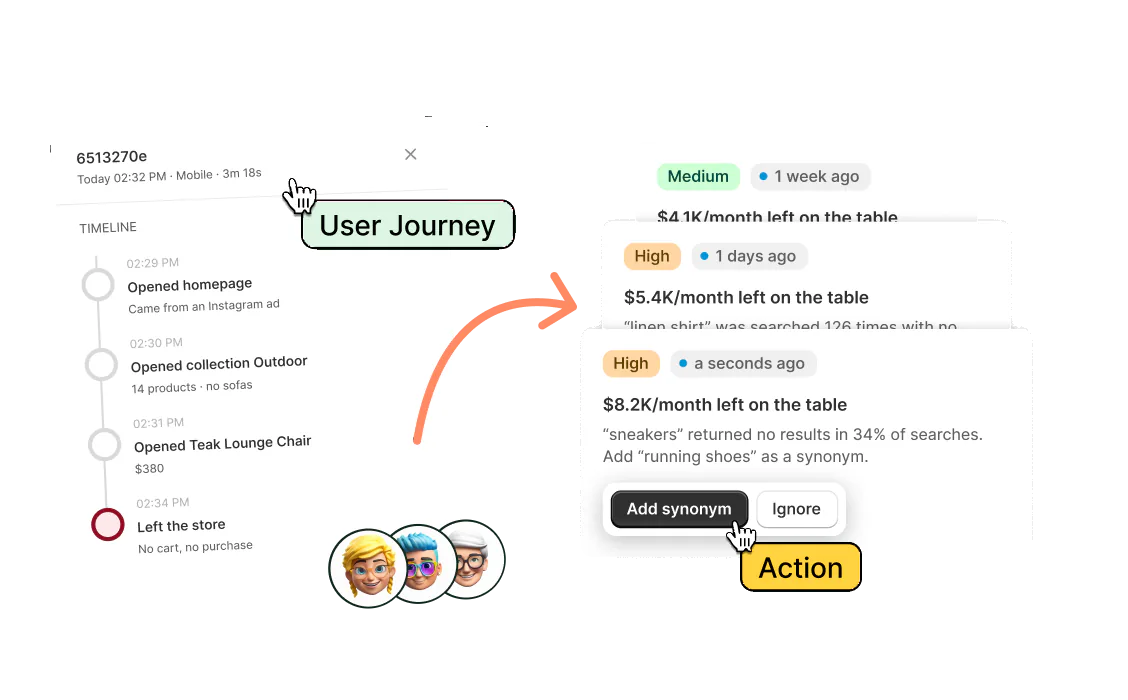
Sledge does not track or enforce advertised prices. Once your price is set, it helps shoppers find the product: its search still works when they misspell a brand name, and its filters narrow a collection by brand. Growth Intelligence turns on when you pick a paid plan. It reads your store's data for fixes and shows the sales they could bring as one dollar total, labeled "Est. potential".